The Best Fluffy Pancakes recipe you will fall in love with. Full of tips and tricks to help you make the best pancakes.



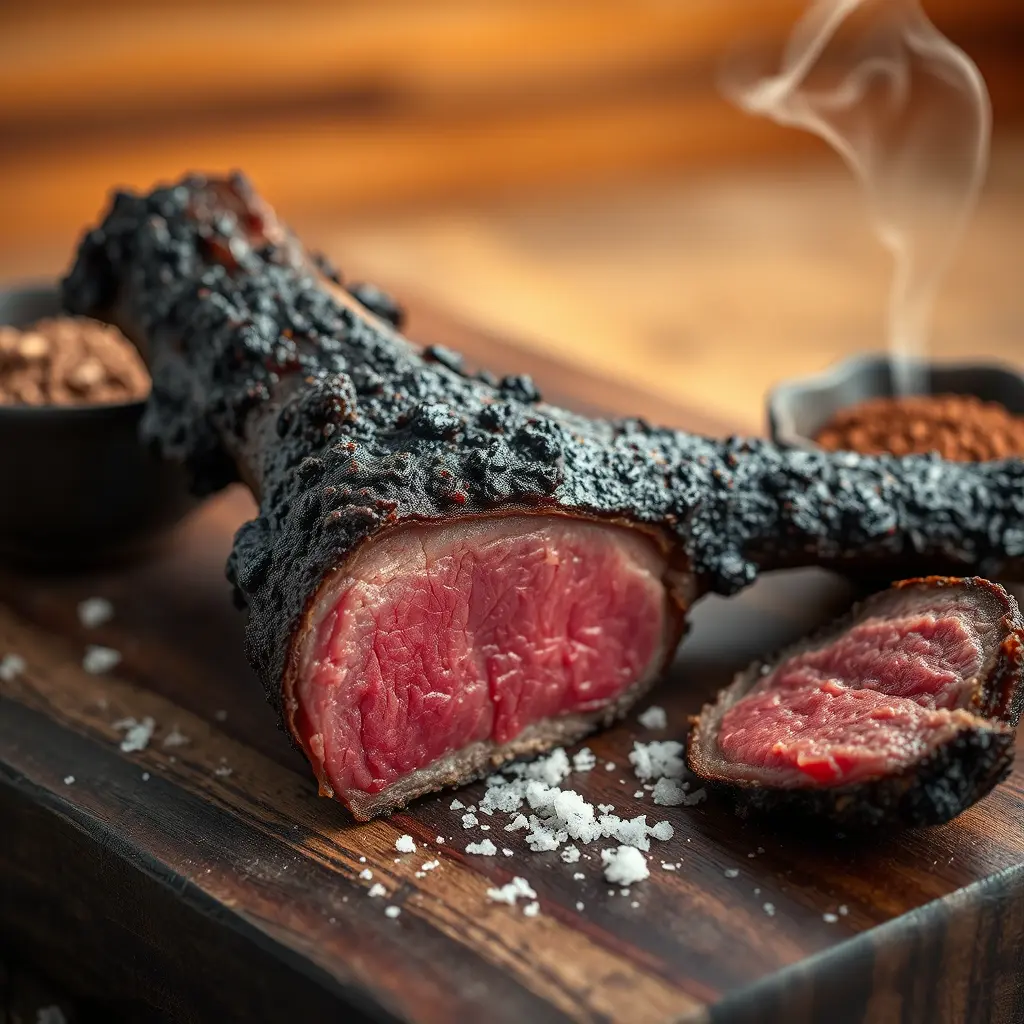
In the world of barbecue, there is a hidden gem that often gets overlooked in favor of the more glamorous brisket or ribs: the humble beef neck bone. When you learn how to smoke beef neck bones properly, you unlock a depth of flavor and a level of tenderness that is truly extraordinary. This smoked beef neck bones recipe is designed to take one of the most affordable cuts of beef and transform it into a gourmet experience through the power of wood smoke and thermal patience. The neck is a hardworking muscle, which means it is rich in connective tissue and marrow—elements that, when rendered down over several hours, create a silky, decadent mouthfeel that is hard to find elsewhere. Whether you are a seasoned pitmaster or a weekend warrior, mastering this cut will expand your repertoire and impress anyone lucky enough to share your table. The aroma of a well-seasoned rub caramelizing over a slow hickory fire is enough to make anyone a believer in the magic of off-cuts. These bones are not just a meal; they are an exploration of texture and heritage cooking, bringing soulful, smoky goodness to the forefront of your outdoor kitchen.
Slow-Smoked Beef Neck Bones: The Ultimate Guide to Tender, Rich Flavor
Course: Main Course / Comfort FoodCuisine: American / Southern BBQDifficulty: IntermediateServings
4-6
servingsPrep time
20
minutesCooking time
7
hoursCalories
415
kcalIngredients
5 lbs Beef neck bones (meaty cut)
3 tbsp Olive oil or Yellow Mustard (as a binder)
2 tbsp Kosher salt
2 tbsp Coarse ground black pepper (16 mesh preferred)
1 tbsp Garlic powder
1 tbsp Onion powder
1 tbsp Smoked paprika
1 tbsp Dark brown sugar
1/2 tsp Cayenne pepper
1/2 cup Beef broth (for wrapping)
Directions
- Begin by thoroughly inspecting your beef neck bones. Use a sharp knife to trim away any excessively thick pieces of hard white fat or loose bits of silver skin, but leave the majority of the fat intact, as it will render down and baste the meat. Rinse the bones under cold water to remove any tiny bone fragments from the butcher’s saw, then pat them completely dry with paper towels. This step is crucial for ensuring the seasoning adheres properly and the bark forms correctly.
- In a small bowl, whisk together the kosher salt, coarse black pepper, garlic powder, onion powder, smoked paprika, dark brown sugar, and cayenne pepper. This robust seasoning for beef neck bones is designed to stand up to long hours of smoke. Apply a thin, even coating of olive oil or yellow mustard to the neck bones to serve as a binder. Generously coat every surface, nook, and cranny of the bones with the dry rub, pressing it in with your hands. Allow the seasoned bones to sit at room temperature for about 30-45 minutes before smoking to allow the salt to begin the dry-brining process.
- Prepare your smoker for indirect cooking. If using a pellet grill, set it to 225°F (107°C) with hickory or oak pellets. If using an offset smoker, build a clean-burning fire using seasoned hardwoods. Once the smoker is holding a steady temperature and producing thin, blue smoke, place the neck bones directly onto the grill grates. Ensure there is at least an inch of space between each bone to allow for maximum smoke circulation.
- Smoke the neck bones for approximately 3 to 4 hours. During this phase, resist the urge to open the lid. The goal is to develop a deep mahogany color and a firm exterior bark. After the third hour, you can lightly spritz the meat with a 50/50 mixture of apple cider vinegar and water every 45 minutes to keep the surface moist and attract more smoke particles.
- When the internal temperature of the thickest part of the meat reaches approximately 165°F (74°C) and the bark is well-set, it is time to wrap. Lay out two large sheets of heavy-duty aluminum foil. Place 2-3 neck bones on each sheet, add a small splash of beef broth or apple juice, and wrap them tightly. This technique, often called the ‘Texas Crutch,’ will help break down the tough connective tissue and ensure tender smoked beef neck bones.
- Place the wrapped bones back into the smoker. Increase the temperature slightly to 250°F (121°C) if desired. Continue cooking until the internal temperature reaches between 205°F and 210°F (96°C-99°C). At this point, a meat probe should slide into the beef with absolutely no resistance, feeling like it is entering a jar of peanut butter. This usually takes another 2 to 3 hours depending on the size of the bones.
- Once the target temperature is reached, remove the foil packets from the smoker but do not open them immediately. Allow the beef neck bones to rest in their juices for at least 30 to 45 minutes. This resting period allows the muscle fibers to relax and reabsorb the rendered fats and moisture, ensuring that the meat doesn’t dry out the moment you take a bite. Serve warm, either on the bone or shredded into a bowl.
Notes
- Always look for neck bones that have a significant amount of meat attached; some ‘soup bones’ are trimmed too lean for a main-course smoke.
- Temperature is more important than time. Use a reliable digital meat thermometer to check the internal temperature, aiming for that 205-210°F sweet spot.
- If you don’t have a smoker, you can achieve a similar result in a low oven (250°F) using liquid smoke in the rub, though you will miss the authentic bark.
- Leftovers can be shredded and used for tacos, over creamy grits, or as a rich addition to a traditional beef stew.
The journey to creating perfectly smoked beef neck bones is one of patience and passion. By embracing the “low and slow” philosophy, you transform a humble, inexpensive cut of beef into a culinary masterpiece that rivals the finest brisket or short ribs. Whether you choose to enjoy them straight off the smoker with a side of cornbread or use the meat to elevate a hearty beef bone broth recipe, the depth of flavor provided by the smoke and the marrow is unparalleled. This recipe is a testament to the beauty of nose-to-tail cooking, proving that with the right technique, every part of the animal can shine on the plate.
As you continue your barbecue journey, don’t be afraid to experiment with different wood profiles or spice ratios to make this dish your own. For more inspiration on mastering the fire, be sure to check out our best beef BBQ recipes guide, which covers everything from ribs to roasts. If you find yourself with leftover bones, they are an incredible asset for the kitchen; many chefs recommend using smoked meats in soups and winter stews to provide a complex, savory base that no store-bought stock can match. Happy smoking!