The Best Fluffy Pancakes recipe you will fall in love with. Full of tips and tricks to help you make the best pancakes.



If you have never experienced the deep, beefy soul of a smoked beef cheeks recipe, you are in for a culinary revelation. Often considered a ‘butcher’s cut,’ beef cheeks are incredibly dense muscles that, when treated with enough smoke and time, transform into the most tender, succulent meat you will ever taste. The high concentration of collagen in this cut creates a velvety mouthfeel that puts even the best brisket to shame. This guide will walk you through the nuances of trimming, seasoning, and the essential braising step that turns these tough muscles into meat gold. Whether you are a seasoned pitmaster or a weekend warrior, mastering smoked beef cheeks will elevate your BBQ game to a whole new level of richness.
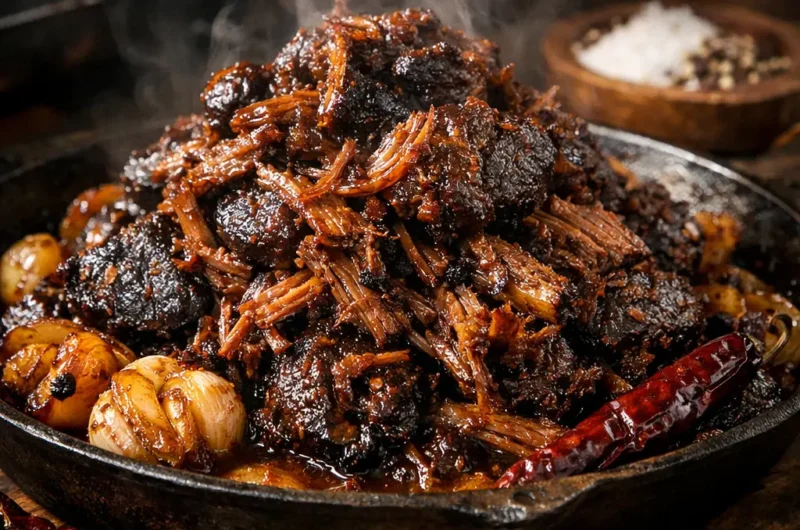
Ultimate Braised Smoked Beef Cheeks (Barbacoa Style)
Course: Main CourseCuisine: BBQ / Tex-MexDifficulty: IntermediateServings
6-8
servingsPrep time
45
minutesCooking time
8
hoursCalories
480
kcalIngredients
4 lbs Beef Cheeks (trimmed of silver skin)
2 tbsp Coarse Kosher Salt
2 tbsp 16-Mesh Coarse Black Pepper
1 tbsp Garlic Powder
2 cups Beef Broth or Bone Broth
1 medium White Onion (thickly sliced)
4-6 cloves Garlic Cloves (smashed)
2-3 Dried Guajillo Chiles (optional for spice)
Directions
- Preparation and Trimming: Beef cheeks are notorious for being encased in thick silver skin and hard fat. Unlike a brisket where some fat is desirable, the silver skin on cheeks will not render down and will result in a rubbery texture. Use a sharp boning knife to carefully remove as much of the silver skin and surface fat as possible until the deep red muscle is exposed. This allows the smoked beef cheeks dry rub to adhere directly to the meat and ensures a clean, melt-in-your-mouth finish. Don’t worry if the cheeks look small after trimming; they are dense and rich.
- Seasoning for Bark: Combine your salt, coarse black pepper, and garlic powder to create a Texas-style base. If you want a more complex flavor profile for tacos, add a touch of ground cumin and chipotle powder. Apply the rub generously on all sides of the beef cheeks. The coarse 16-mesh black pepper is essential here, as it helps create the ‘bark’ or the dark, crusty exterior that defines great BBQ. Let the seasoned meat sit at room temperature for about 30 minutes while you fire up your smoker.
- The Smoking Phase: Preheat your smoker to a steady 275°F (135°C). For beef cheeks, strong woods like Oak, Hickory, or Mesquite work beautifully to stand up to the rich flavor of the meat. Place the cheeks on the grate, ensuring there is plenty of airflow around each piece. Smoke the cheeks undisturbed for approximately 3 to 4 hours. During this phase, you are looking for the ‘bark set’—the rub should be dark and shouldn’t come off when you touch it. Use a meat probe to monitor the smoked beef cheeks internal temp; you are looking for about 165°F to 170°F before moving to the next stage.
- The Braise (The Secret Step): Transitioning to braised smoked beef cheeks is what separates the amateurs from the pros. Place the smoked cheeks into a heavy-duty foil pan or a Dutch oven. Add sliced onions, smashed garlic cloves, and enough beef broth to come halfway up the sides of the meat. If you like heat, toss in a few dried guajillo or ancho chiles. Cover the pan tightly with double-layered foil. This ‘Texas Crutch’ with liquid creates a steam-rich environment that breaks down the stubborn collagen into silky gelatin.
- The Finish Line: Return the covered pan to the smoker. Continue cooking until the smoked beef cheeks internal temp reaches between 205°F and 210°F. The most important indicator is ‘probe tenderness’—a temperature probe or toothpick should slide into the meat with zero resistance, like poking a stick of room-temperature butter. This usually takes another 3 to 4 hours depending on the size of the cheeks. Don’t rush this; the magic happens in those final few degrees.
- Resting and Shredding: Once probe-tender, remove the pan from the heat and let the meat rest in its liquid for at least 45 minutes to an hour. This allows the fibers to relax and reabsorb some of the braising juices. To serve, lift the cheeks out of the liquid and shred them with two forks. They should pull apart with almost no effort. For a final touch of flavor, strain a bit of the braising liquid (the jus) and toss it back through the shredded meat before serving.
Notes
- Trimming is the most important step; don’t be afraid to take your time removing the silver skin.
- If the meat feels ‘tight’ at 190°F, don’t panic; it just needs more time in the braise to break down.
- Save the leftover braising liquid! It makes an incredible base for a beef soup or a dipping jus for tacos.
- For the best bark, avoid spritzing the meat for the first 3 hours to let the rub set properly.
In the world of barbecue, there is no greater reward for your patience than a perfectly executed smoked beef cheeks recipe. These muscles, which work so hard during the animal’s life, transform into a texture that is more like meat butter than standard beef once they hit that magic internal temperature. Whether you are folding these into charred tortillas for the ultimate smoked beef cheeks for tacos or serving them over creamy polenta, the rich, collagen-heavy mouthfeel is something your guests will never forget.
If you’ve mastered this cut and are ready to explore more low-and-slow techniques, our best beef BBQ recipes guide is the perfect next stop for your backyard journey. To truly elevate the braising stage of this dish, consider using a high-quality beef bone broth to add layers of savory complexity. For those who love the spice profile of these cheeks, our best ground beef taco recipe offers a different take on classic Mexican flavors. For further reading on meat production and standards, the USDA offers comprehensive data on livestock quality.