The Best Fluffy Pancakes recipe you will fall in love with. Full of tips and tricks to help you make the best pancakes.



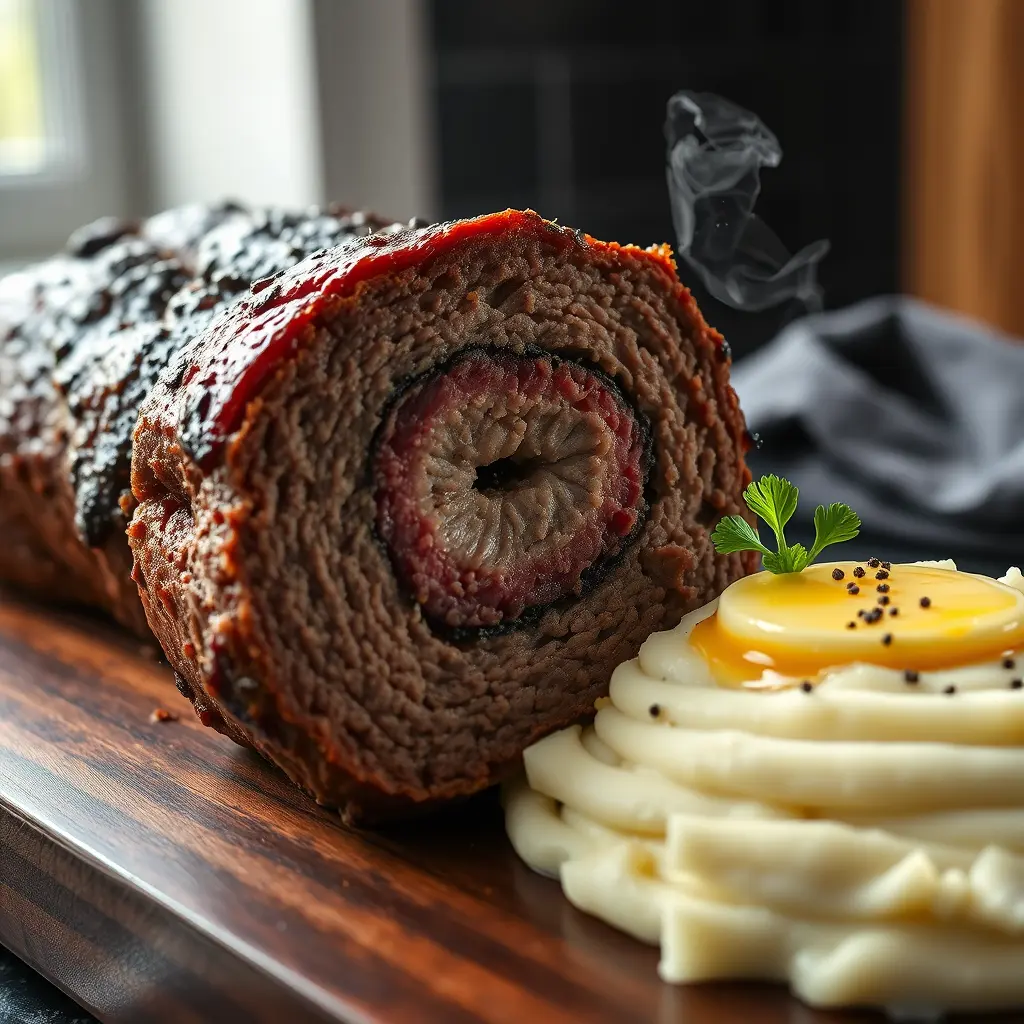
There is something inherently nostalgic about meatloaf, a dish that has graced Sunday dinner tables for generations, providing comfort in every savory slice. However, when you take this classic staple and introduce it to the low-and-slow environment of a smoker, it undergoes a magnificent transformation. Smoked meatloaf on pellet grill isn’t just a meal; it’s an experience that combines the tender, juicy interior of traditional meatloaf with a deep, mahogany crust and a complex kiss of hardwood smoke. Unlike oven-baked versions that can sometimes feel one-dimensional, the pellet grill adds layers of flavor through the gentle circulation of heat and natural wood aromatics. The result is a succulent, flavor-packed centerpiece that redefines what comfort food can be, complete with a beautiful smoke ring that will impress any backyard BBQ enthusiast. In this guide, we will walk through the nuances of temperature control, wood selection, and the secret to a glaze that shimmers with perfection.
Ultimate Smoked Meatloaf on Pellet Grill
Course: Main CourseCuisine: American BBQDifficulty: IntermediateServings
8 servings
servingsPrep time
25
minutesCooking time
3
hoursCalories
485
kcalIngredients
2 lbs Ground Beef (80/20 lean-to-fat ratio)
1 lb Ground Pork or Italian Sausage
1.5 cups Panko Breadcrumbs
1/2 cup Whole Milk
2 Large Eggs, lightly beaten
1 medium Yellow Onion, finely diced
1/2 Green Bell Pepper, finely diced
3 cloves Garlic, minced
2 tbsp Worcestershire Sauce
1 tbsp Dijon Mustard
2 tbsp Unsalted Butter (for sautéing)
1 tbsp Smoked Paprika (for rub)
1 tbsp Brown Sugar (for rub)
1 tsp Garlic Powder (for rub)
1 tsp Onion Powder (for rub)
To taste Kosher Salt and Coarse Black Pepper
1 cup Ketchup (for glaze)
2 tbsp Apple Cider Vinegar (for glaze)
2 tbsp Brown Sugar (for glaze)
Directions
- Begin by preheating your pellet grill to 250°F. While any hardwood works, choosing the right smoked meatloaf wood pellets like hickory or oak will provide the best depth of flavor. Ensure your grill grates are clean to prevent sticking.
- In a small skillet over medium heat, melt the butter and sauté the finely diced onions and bell peppers until softened (about 5-7 minutes). Add the minced garlic during the last minute of cooking. Remove from heat and allow the mixture to cool completely; adding hot vegetables to raw meat can negatively affect the texture.
- In a large mixing bowl, whisk together the eggs, whole milk, Worcestershire sauce, and Dijon mustard. This liquid base ensures the binders are evenly distributed throughout the meat.
- Add the ground beef, pork sausage, panko breadcrumbs, and half of the best smoked meatloaf rub to the liquid mixture. Using your hands or a stiff spatula, fold the ingredients together gently. Do not overwork the meat, as this leads to a dense, tough loaf. Mix only until the ingredients are just incorporated.
- Line a baking sheet with parchment paper. Transfer the meat mixture onto the sheet and shape it into a uniform loaf, approximately 4 inches high and 9 inches long. A uniform shape ensures even cooking and prevents the ends from drying out before the center is done. Apply the remaining dry rub to the exterior, pressing it gently into the surface.
- Place the meatloaf (still on the parchment or transferred to a wire rack for better smoke circulation) into the center of the pellet grill. Close the lid and let the smoke work its magic. The typical pellet grill meatloaf time at this temperature is roughly 2.5 to 3 hours, but always cook to temperature, not just time.
- While the meat is smoking, prepare the glaze by whisking the ketchup, brown sugar, apple cider vinegar, and black pepper in a small saucepan over low heat until the sugar has dissolved. Set aside.
- When the internal pellet grill meatloaf temperature reaches 145°F, use a silicone brush to apply a generous layer of the glaze over the top and sides of the loaf. This allows the glaze to ‘set’ and caramelize during the final 15-20 degrees of cooking.
- Continue smoking until the internal temperature reaches a solid 160°F. Use a reliable instant-read thermometer inserted into the thickest part of the loaf for accuracy.
- Once the target temperature is reached, remove the meatloaf from the grill and transfer it to a cutting board. Tent loosely with foil and let it rest for at least 15 minutes. This rest period is vital for the juices to redistribute, ensuring every slice is moist and holds its shape.
Notes
- Fat Content Matters: Do not use extra-lean beef. The fat (20%) is essential to keep the meatloaf moist during the long smoking process.
- The Pan Trap: Avoid using a loaf pan in the smoker. A pan prevents the smoke from reaching the sides of the meat and results in a ‘steamed’ texture rather than a smoked one.
- The ‘Smoke Ring’: Don’t be alarmed if the outer edge of the meat is pink; this is the smoke ring, a natural reaction between the smoke and the meat, and a sign of a job well done.
- Resting is Mandatory: If you cut the meatloaf too soon, the juices will run out, leaving you with a dry dinner. Patience for 15 minutes is key.
Bringing this smoked meatloaf on pellet grill to your table is more than just serving a meal; it is about sharing a labor of love that elevates humble ingredients into something truly extraordinary. The combination of slow-rendered fats, complex hardwood smoke, and that signature sticky glaze creates a dining experience that stays with you long after the last bite. Whether you are a seasoned pitmaster or a weekend griller, this recipe offers a reliable path to success every single time.
If you find yourself craving more ground beef inspiration after mastering this technique, you might also enjoy exploring our Italian Meatloaf Recipe for a Mediterranean twist or checking out our Ultimate Beef BBQ Guide to expand your outdoor cooking repertoire. For those concerned about the highest quality standards for their ingredients, the USDA New Farmers resource provides excellent insights into sustainable meat production and sourcing.