The Best Fluffy Pancakes recipe you will fall in love with. Full of tips and tricks to help you make the best pancakes.



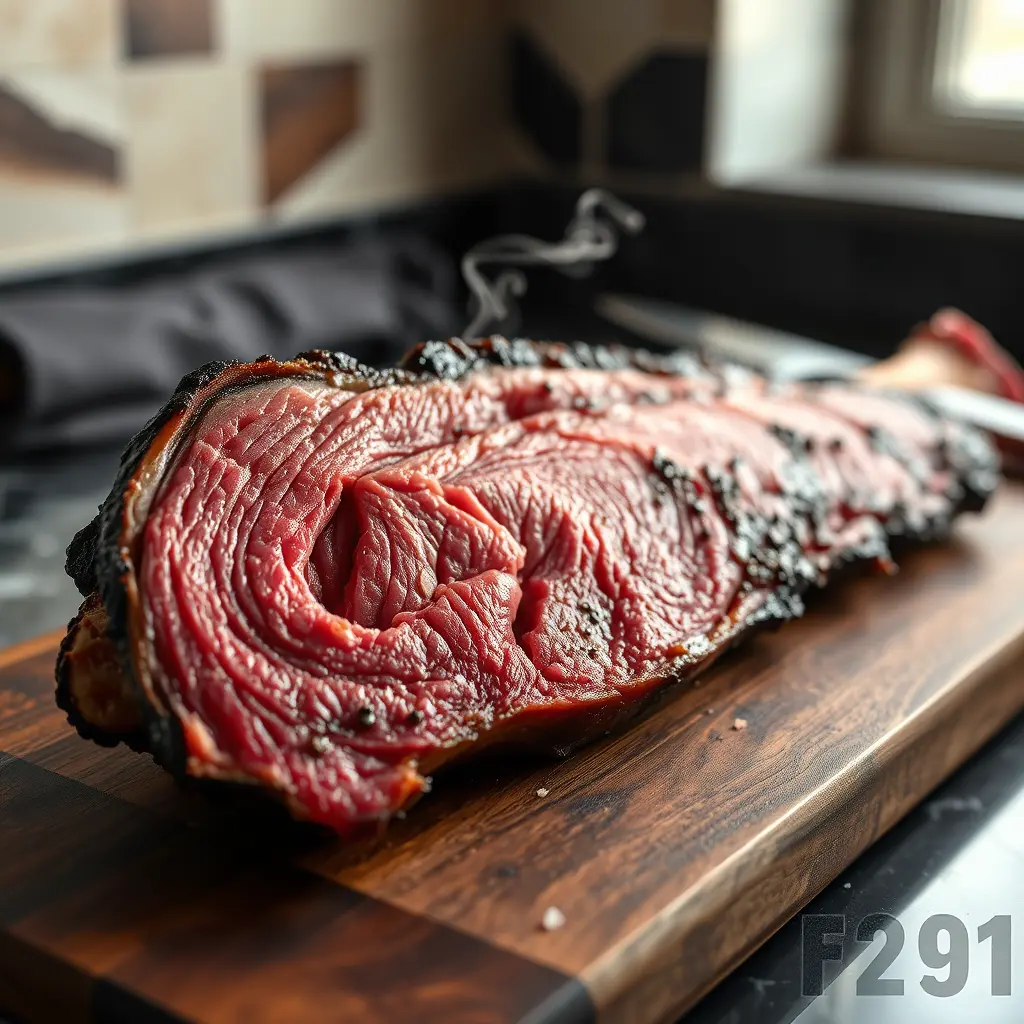
If there is a holy grail in the world of backyard barbecue, it isn’t the brisket—it is the smoked beef plate rib. Often referred to as ‘dinosaur ribs’ due to their massive size and prehistoric appearance, these ribs represent the pinnacle of beefy flavor and unctuous texture. When prepared correctly using a tested smoked beef plate ribs recipe, the result is a piece of meat that is as rich as a ribeye steak but as tender and melt-in-your-mouth as the finest pot roast. Unlike pork ribs, which rely heavily on sweet glazes and rubs, beef plate ribs are all about celebrating the natural intensity of the beef itself. The high fat content in the plate rib (specifically the IMPS 123A cut) provides a built-in basting system that keeps the meat incredibly moist during the 8-to-10-hour journey in the smoke.The journey to a perfect rack of ribs begins with understanding the anatomy of the cow. The plate ribs come from the lower portion of the rib cage, below the ribeye area. This is a hardworking section of the animal, filled with tough connective tissue and thick layers of intramuscular fat. To transform this into something edible, we must utilize the power of low-temperature cooking to break down collagen into gelatin. This transformation is what creates that ‘jiggle’ characteristic of world-class BBQ. Whether you are using a traditional offset smoker or a modern beef plate ribs pellet grill, the principles remain the same: steady heat, clean smoke, and plenty of patience.In this guide, we will walk through every nuance of the process, from selecting the right slab at the butcher shop to mastering the ‘Texas Trinity’ rub. We will discuss the science of the stall, the importance of wood selection, and the critical resting phase that separates amateur cooks from pitmasters. If you have been intimidated by the size of these ribs in the past, rest assured that they are actually more forgiving than brisket due to their high fat-to-meat ratio. By the end of this article, you will have the confidence to tackle these giants and produce a meal that your friends and family will talk about for years to come.
The Ultimate Smoked Beef Plate Ribs (Dinosaur Ribs)
Course: Main CourseCuisine: American BBQDifficulty: IntermediateServings
4-6 people
servingsPrep time
30
minutesCooking time
9
hoursCalories
580
kcalIngredients
5-6 lbs Beef Plate Ribs (3-bone slab, IMPS 123A)
1/4 cup Coarse Kosher Salt
1/4 cup Coarse Black Pepper (16-mesh)
2 tbsp Garlic Powder
3 tbsp Yellow Mustard (as a binder)
1 cup Beef Broth (for spritzing)
1/2 cup Apple Cider Vinegar (for spritzing)
Directions
- Begin by inspecting the beef plate ribs for any loose bits of fat or meat that might burn during the long cook. Unlike pork ribs, you should NOT remove the membrane (silverskin) from the bone side of the plate ribs. This membrane is the only thing holding these massive, heavy ribs onto the bone as the meat shrinks during the smoking process. Trim the top fat cap down to about 1/4 inch thickness. This ensures that the fat renders properly while still protecting the meat from the heat. Pat the ribs completely dry with paper towels to ensure the binder and rub adhere properly.
- Apply a light, even coating of yellow mustard or a small amount of beef tallow to the entire surface of the ribs. This acts as a binder. In a shaker or small bowl, combine your coarse salt, 16-mesh black pepper, and garlic powder to create your beef plate ribs dry rub. Season the meat generously from a height of about 12 inches to ensure even distribution. Do not forget the sides and ends of the slab. Beef plate ribs are incredibly thick and can handle a heavy coating of seasoning; this is what creates that iconic, crunchy bark. Let the meat sit at room temperature for about 30–45 minutes while you prepare your smoker.
- Preheat your smoker or beef plate ribs pellet grill to a steady temperature of 250°F (121°C). For beef, hardwoods like Oak, Hickory, or Mesquite are ideal as they provide a robust smoke profile that stands up to the rich flavor of the beef. If using a pellet grill, ensure your hopper is full and your fire pot is clean. Place a small water pan near the heat source to maintain a humid environment inside the cooking chamber, which helps prevent the exterior of the meat from drying out and aids in smoke absorption.
- Place the ribs bone-side down on the grate. Close the lid and resist the urge to peek for at least the first three hours. During this initial phase, the smoke is penetrating the meat and the surface is beginning to dehydrate to form the bark. After 3 hours, check the color. If the surface looks dry, you can begin spritzing with a 50/50 mixture of beef broth and apple cider vinegar every hour. Continue cooking until the internal temperature reaches the ‘stall,’ which usually happens around 165°F to 175°F. At this point, the evaporation of moisture from the surface cools the meat, causing the smoked beef plate ribs temp to plateau.
- Once the bark is set—meaning it doesn’t rub off when you touch it—and you have reached a deep mahogany color, you have the option to wrap. Wrapping in peach butcher paper will help push through the stall faster while maintaining the integrity of the bark. If you prefer a crunchier, more intense bark, leave them unwrapped (the ‘naked’ method). Continue smoking until the internal smoked beef plate ribs temp reaches approximately 203°F (95°C). The most important indicator of doneness is ‘probe tenderness’—your thermometer probe should slide into the meat between the bones with zero resistance, like a hot knife through softened butter.
- Remove the ribs from the smoker and wrap them tightly in a fresh layer of butcher paper if they weren’t already wrapped. Place the wrapped ribs into an empty room-temperature cooler or a warm oven (turned off) for at least 60 to 90 minutes. This resting period is critical; it allows the muscle fibers to relax and reabsorb the rendered fats and juices, ensuring every bite is moist. After resting, slice the ribs between the bones and serve immediately while the fat is still warm and unctuous.
Notes
- Wood Selection: For beef plate ribs, I highly recommend using Post Oak or Hickory. These woods provide a strong, clean smoke that complements the heavy fat content of the beef without becoming acrid. Avoid lighter fruitwoods like apple or cherry, as they can get lost in the richness of the meat.
- The Water Pan: Even if your pellet grill has a heat deflector, place a small aluminum pan of water on the grates. This increases the humidity inside the cook chamber, which slows down the formation of the bark slightly and allows for a deeper smoke ring to develop.
- The Stall: Do not panic when the internal temperature of the ribs stops rising around 165°F. This is perfectly normal. The meat is sweating out moisture, which cools the surface. Just maintain your smoker temp and wait it out, or wrap in butcher paper to accelerate the process.
- Finding the Cut: Most grocery stores only stock ‘back ribs,’ which are the bones removed from a prime rib roast. They have very little meat. Ask your butcher specifically for ‘Short Ribs’ or ‘Plate Ribs’ (IMPS 123A) with the meat still attached to the top.
Ultimately, a successful smoked beef plate ribs recipe is about patience and sensory observation as much as it is about following a set of instructions. There is something deeply satisfying about pulling a slab of these dark, mahogany-barked ribs off the smoker and watching them jiggle with rendered fat. Whether you are serving them for a backyard celebration or a quiet family dinner, the rich, buttery intensity of the beef is unlike any other cut on the market. For more inspiration on mastering the pit, check out our best beef BBQ recipes guide, or learn how to use the leftover bones for a nutrient-dense beef bone broth recipe.
Remember that every piece of meat and every pellet grill is slightly different. The key to consistency is keeping detailed notes of your cook, from the ambient temperature to the specific wood species used. If you want to dive deeper into the science of collagen breakdown and the physics of the “stall,” the experts at Serious Eats offer fantastic resources that can help you troubleshoot any barbecue challenge you might encounter. Enjoy the process, and more importantly, enjoy that first incredible bite of homemade dinosaur ribs.